If your vehicle is unreliable, expensive to repair, unsafe in cold weather, or likely to break down when temperatures drop, selling your old car before winter is a smart choice. Cold months expose every weak point in an aging vehicle, from brittle hoses to a dying battery. Acting now can save you from being stranded, facing costly emergency repairs, or struggling to get a tow in icy conditions. For many owners, fall is the ideal time to decide whether to keep repairing or to move on.
| Winter Risk for Old Cars | Why It Matters | Is Selling Worth Considering? | What to Check Before Winter |
|---|---|---|---|
| Battery failure | Cold reduces cranking power; old batteries often die at the first freeze. | Yes, if battery is more than 4 years old and showing signs of weakness. | Load test the battery, clean terminals, check charge level. |
| Poor tire condition | Worn tread reduces traction on snow and ice; older tires crack in cold. | Yes, if tread depth is below 4/32" or tires are over 6 years old. | Measure tread depth, inspect for cracks, consider winter tires. |
| Brake issues | Cold weather can worsen worn pads, corroded lines, and low fluid. | Yes, if brakes are spongy, noisy, or stopping distance has increased. | Inspect pads, rotors, fluid level, and lines for leaks. |
| Rust and corrosion | Road salt accelerates body and undercarriage rust; weakens structural parts. | Yes, if rust is already visible on frame or brake/fuel lines. | Check undercarriage, wheel wells, and fluid lines for perforation. |
| Heating system failure | Defroster performance directly affects visibility; failing heater core is expensive. | Yes, if heat is weak or defroster does not clear windshield quickly. | Run heater on high, check for coolant leaks or odd smells. |
| Fluid leaks | Cold makes seals contract, turning small drips into larger leaks. | Yes, if multiple leaks exist or fluid loss is rapid. | Look for puddles under car, check oil, coolant, transmission fluid levels. |
| Starting problems | Hard starts due to weak battery, old starter, or thick oil leave you stuck. | Yes, if engine cranks slowly or requires repeated attempts. | Test battery and starter, use correct viscosity oil for winter. |
| Visibility issues | Fogged or cracked windows, burnt-out headlights, broken wipers reduce safety. | Yes, if repairs are costly or lights/wipers are aged and unreliable. | Replace worn wiper blades, clean headlights, check all bulbs. |
| Towing difficulty | Old cars are harder and riskier to tow in snow or ice if they break down. | Yes, especially if vehicle is low, has rusted tow points, or is non-starting. | Ensure tow hooks are intact, and have a removal plan in place. |
| Cost of winter repairs | Emergency repairs in winter are pricier and harder to schedule. | Yes, if estimated repair cost exceeds vehicle’s market value. | Get quotes for needed repairs, compare to car’s worth. |
Why Winter Is Harder on Older Vehicles
Cold temperatures put extra strain on every mechanical system. As one automotive expert put it, “Older cars have thinner margins for error. Cold starts, brittle rubber, and corrosion can push aging parts past their limits.” A car that ran fine in summer may stall, leak, or fail to start after a single frosty night. The combination of shorter days, moisture, road salt, and freezing temperatures accelerates wear on components that were already marginal. If your vehicle has high mileage or a history of minor repairs, winter can turn those small issues into major failures.
Common Winter Car Problems That Affect Old Cars
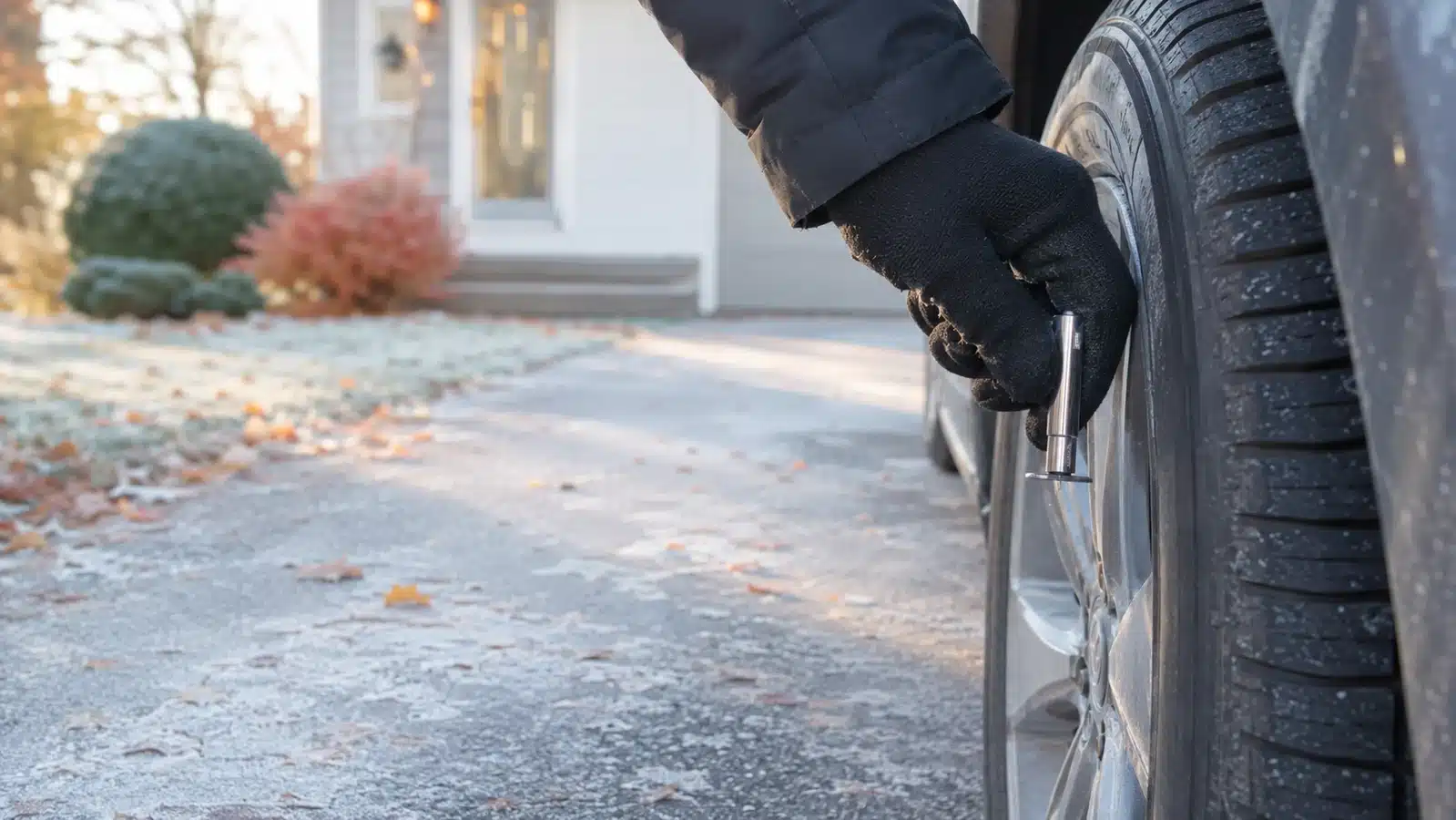
Winter car problems for older vehicles often start with the battery. A battery’s capacity drops significantly in cold weather, and an old battery may not have enough reserve to turn the engine over. Similarly, worn tires lose grip on icy roads, and brakes that felt acceptable in dry conditions can become dangerous when stopping distances double. Heater performance, defroster function, and windshield wipers are easy to ignore in milder months, but they become critical for safety once frost and snow arrive. Rust that was cosmetic in summer can create holes in exhaust systems or fuel lines, leading to breakdowns or even fires. All of these issues add up to one reality: an old car that is not reliable in winter becomes a serious liability.
Old Car Winter Breakdown Risks
An old car winter breakdown is more than an inconvenience. Getting stranded on a cold road in Metro Vancouver can mean long waits for help, expensive tow bills, and risk to your safety. Older cars are more likely to leak coolant or oil, and a sudden loss of either while driving can cause engine damage or a complete stop. Rubber hoses harden and crack, belts snap, and the fuel system can develop vapor lock or contamination from condensation. Even if you keep up with maintenance, age alone makes many parts unpredictable. When you factor in the difficulty of finding a mechanic quickly during peak winter demand, the peace of mind that comes from selling an unreliable vehicle before the season begins is hard to overstate.
When a Car Not Reliable in Winter Becomes a Safety Concern
A car not reliable in winter doesn't just fail at the worst possible time. It can also cause accidents. Poor visibility from fogged windows or inadequate defrosting, sluggish brakes on cold pavement, and tires that cannot grip light snow all increase the chance of a collision. Heating failure can make driving miserable and dangerous if you are stuck in traffic or waiting for help. If your vehicle has already shown warning signs such as slow starts, dashboard warning lights, or slipping belts, it is worth asking whether keeping it through winter is worth the risk. For many drivers, the sensible move is to remove old car before winter and avoid these hazards altogether.
Is It Time to Sell Your Unreliable Car?
Deciding to sell unreliable car before winter is a practical financial decision. Carrying an old vehicle into the new year means paying for insurance, registration, and maintenance through the coldest months, plus the potential for expensive emergency repairs. Selling in fall lets you avoid those costs and gives you cash in hand before the holiday season. If your car has rust, a failing transmission, or other major issues, you may be able to get more for it now than you would after a breakdown forces you to accept a lowball offer. In the Metro Vancouver area, you can explore options like cash for cars Port Coquitlam services that provide free towing and instant payment, even for non-running vehicles.
Winter Vehicle Safety and the Bottom Line
Winter vehicle safety is not just about having good tires and working lights. It depends on the overall reliability of the car. A vehicle that starts reliably, keeps you warm, and stops predictably is a safe vehicle. Older cars that require frequent repairs or have known weak spots may not meet that standard. Before winter arrives, take an honest look at your car’s condition. If repairs are piling up or you no longer trust it on a cold morning, selling is often the better choice. You can use a scrap car removal Port Coquitlam service to get paid and have the vehicle hauled away, often on the same day and at no charge to you.
Frequently Asked Questions
Should I sell or keep my old car for winter?
If your car has a high risk of breakdown, requires expensive repairs, or lacks essential safety features like good tires and reliable heat, selling before winter is usually the better option. Keeping it through another season may cost you more in towing, repairs, and lost time than the car is worth.
What are signs my car will not survive winter?
Common signs include a battery that struggles in cold weather, visible rust on structural parts, a heater that barely works, multiple fluid leaks, and a history of breakdowns. If your check engine light is on or the car needs repairs costing more than its current value, winter driving is risky.
How do I prepare an old car for winter if I decide to keep it?
Check the battery, tires, brakes, and all fluids. Replace worn wiper blades, ensure the defroster works, and consider switching to winter tires. Keep the gas tank at least half full to prevent fuel line freezing. Have a backup plan such as roadside assistance coverage.
Is winter a good time to sell an old car?
Fall is generally a better time to sell because buyers are motivated and your car is still drivable. However, if you need to get rid of a non-running or severely damaged car, winter removal services are available year-round with free towing and same-day pickup.
Deciding to sell an old car before winter comes down to weighing the cost of repairs against the risk of a breakdown in cold weather. If you are unsure, get a professional inspection and compare the estimate to your vehicle’s resale value. For many owners, the peace of mind achieved by removing an unreliable car before snow falls is well worth it. Reach out to a trusted removal service to get a cash offer and free towing, and start winter without the worry of an old car letting you down.