Yes, you can sell a flood-damaged car in BC, but the sale depends on complete honesty about the vehicle’s history. Whether you plan to list it privately or request a quote from a recycler, the water exposure has to be part of the conversation. Flood damage can affect safety systems, wiring, interior materials, and buyer confidence even when the vehicle appears to run. A car that starts and drives after being dried out can still develop corrosion, intermittent electrical faults, or mould in the months ahead.
The following table shows how different levels of water exposure should guide your next step. Use it as a starting point rather than a final answer, because every flooded vehicle has a unique history.
Vehicle condition
Information to disclose
Practical next step
Light interior water exposure, wet carpets or damp seats
The water source, how long the car sat wet, and what you dried or replaced
An honest private sale may still be possible with full disclosure and a realistic price
Cabin flooding above the floor line
How high the water reached and which electrical components were affected
Get a professional assessment; a damaged vehicle buyer may be more practical than a retail sale
Electrical symptoms after water exposure
Warning lights, failing modules, or intermittent starting and accessory issues
Have the vehicle inspected before you describe it as a reliable running car
Mould or musty odour inside the cabin
Mould in car after flooding is a serious disclosure, not a small detail
Avoid enclosed test drives and compare repair costs against the vehicle’s realistic value
Non-running or fully submerged vehicle
The car is not roadworthy, may need towing, and should be described as salvage or scrap condition
Contact a damaged vehicle buyer to arrange removal and receive a condition-based offer
Sell a Flood-Damaged Car in BC: Disclosure Comes First
Consumer protection agencies and insurers repeatedly warn buyers about water-damaged vehicles sold at bargain prices. They also tell shoppers to ask directly whether a car has been damaged by water and to get the answer in writing. If you are the seller, the same standard applies to you. A flood damage disclosure should come before the test drive, not after the deal is signed.
There is also a practical limit on where a flooded vehicle can go next. ICBC states that flood-damaged vehicles do not qualify for on-road licensing or use in BC or anywhere else in Canada. That means a seriously submerged car is unlikely to return to the road in this province, no matter how well it cleans up. Check the current guidance from ICBC or a licensed professional before you invest in repairs or list the vehicle as roadworthy.
Why Vehicle Flood Damage Changes Buyer Confidence
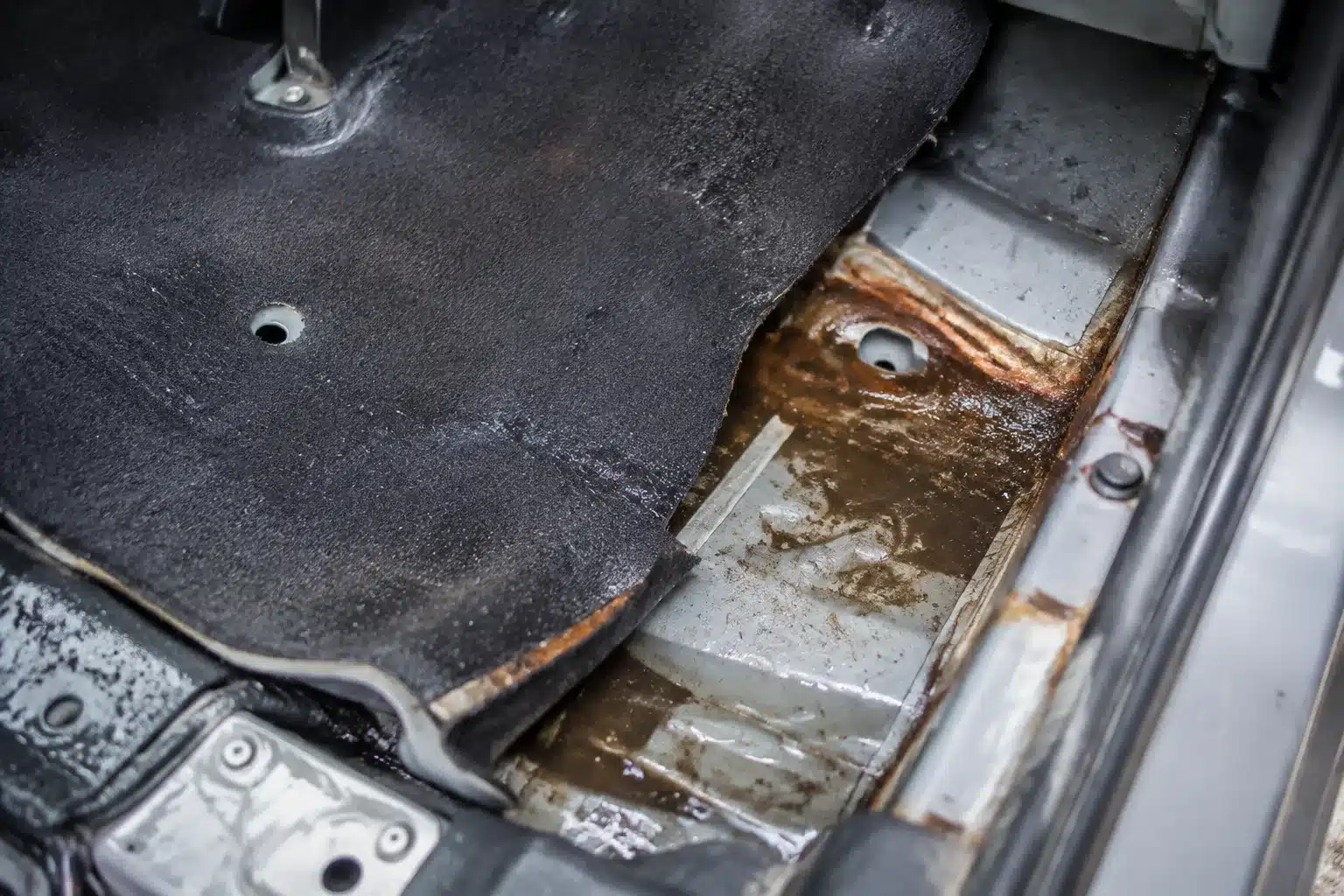
Water does not respect the boundaries that keep a car reliable. It seeps into wiring harnesses, under dashboards, inside door panels, and into seat foam. Even when the exterior looks polished, buyers have been trained to look for musty odours, water stains, rust in unusual places, corrosion, and malfunctioning electronics. Those are the same signs used to identify hidden flood history.
Safety systems add another layer of concern. Airbag modules, brake sensors, and other electronic safety components can behave normally for a while and then fail when corrosion reaches a connection. A seller cannot guarantee that a water-damaged vehicle will stay reliable, which is why many buyers treat a flood history as a deal breaker unless the price reflects the risk.
What Determines Water Damaged Car Value
The phrase water damaged car value covers a wide range, and no honest buyer will give a quote without asking how bad the flood was. The main factors include whether the vehicle still runs, how high the water reached, whether electrical systems show symptoms, how long the car sat wet, and whether mould has taken hold inside the cabin.
Evidence matters. Photos of the water level, notes about the date of the flood, and records of anything you dried, removed, or replaced give a buyer a reason to trust your description. Salvage auction listings across North America regularly include thousands of flood-damaged vehicles, which shows that a market exists for this condition. You will not receive a clean retail price, but a documented, honest description should produce a realistic condition-based offer.
Sell a Car after Water Damage: Compare Your Options
Private sale with written disclosure
A private sale can work for light interior exposure, especially if the vehicle runs well and you have proof of the work done. State the flood history in the listing and again in writing at the sale. Expect a smaller pool of buyers, a longer wait, and a final price well below comparable clean-title cars. You must also be ready to handle test drives and questions about mould, wiring, and safety systems.
Repair and keep or resell
Repairs make sense only when the damage is minor and a qualified technician documents the cost. Serious cabin flooding, electrical faults, or mould in car after flooding can create an endless repair loop. Because flood-damaged vehicles do not qualify for on-road licensing in BC, spending thousands of dollars on a car that cannot legally return to the road is rarely a sound choice. Confirm your vehicle’s status before booking major work.
Direct sale to a damaged vehicle buyer
A damaged vehicle buyer purchases cars in flood condition as-is and handles removal, recycling, and parts recovery. This route suits cabin flooding, non-running vehicles, persistent electrical problems, and any car with mould or a strong odour. You skip the cost of towing a dead car, the hassle of managing test drives, and the risk of a buyer returning weeks later with a complaint.
If the car cannot be driven safely, a removal service can evaluate it from where it sits.
When Your Flooded Car Will Not Drive, Cash for Cars Metro Vancouver Helps
For owners in the Lower Mainland, cash for cars Metro Vancouver services fill a specific need. A flooded car may sit in a driveway for weeks after a storm, too damp to drive and too expensive to tow repeatedly. A removal service that buys vehicles as-is gives you an exit without requiring the car to start.
The practical route is to describe the car accurately: the water level, whether it runs, warning lights, mould or odour, and the location and access. With those details, a buyer can estimate the recovery value of the metal and usable parts and make a removal offer based on the true condition of the vehicle.
Pre-Contact Checklist for a Flood-Damaged Car
Write down when the flooding happened and how long the car sat in water.
Estimate the water level: floor only, seat level, dashboard, or full submersion.
Note the current condition: runs well, starts with help, electrical faults, or no start.
Mention mould in car after flooding if you can see or smell it, and never try to mask the odour.
Keep any photos that document the damage and the drying process.
Have your ownership documents ready and confirm next steps with an official source such as ICBC.
Ask for a condition-based quote instead of accepting a sight-unseen price.
Frequently Asked Questions
Here are the questions owners most often ask after their vehicle has been exposed to water.
Is it legal to sell a flood-damaged car in BC?
Yes, disclosure makes the difference. The National Highway Traffic Safety Administration explains that reselling a flood-damaged vehicle is legal only when the defect or history is noted. In BC, ICBC also warns that flood-damaged vehicles do not qualify for on-road licensing or use in Canada. Verify the current rules with ICBC before you list your vehicle.
Can I sell my flooded car if it still runs?
You can, but the water history must still be disclosed. A running engine does not cancel the risks of corrosion or failing electronic modules, and a buyer may assume the damage is minor if you stay silent. Be clear about cabin flooding, electrical symptoms, and anything you repaired. Running condition may raise the offer, yet it does not replace the need for written honesty about the flood.
Do I need to tell a buyer about mould in the car?
Yes. Mould in car after flooding is one of the clearest signs that water sat inside the cabin. Consumer guides tell buyers to look for musty odours as proof of flood history, so hiding it will not work. Disclose the mould, describe what has been cleaned or replaced, and let the buyer decide. An honest description also protects you from disputes later.
Who buys a non-running flood-damaged car in Metro Vancouver?
Damaged vehicle buyers and scrap car removal services accept non-running cars, including vehicles that have been under water. Cash for cars Metro Vancouver is one route for owners who need the car removed without driving it. Provide the water level, current symptoms, and access details so the buyer can give you a fair condition-based quote instead of guessing.
If your vehicle has been through flooding and you are unsure whether to repair it, list it privately, or sell it for parts removal, start by describing the condition honestly. Request a quote from a buyer who accepts water-damaged vehicles and include accurate details about the car, its history, access, and location. A straightforward conversation about flood exposure will produce a more realistic answer than a rushed advertisement, and it gives you a clear way to move on.
For a local cash for cars quote in Vancouver, contact BC Auto Recycling.