Yes, you can sell a car with the check engine light on. The route that works best depends on what the warning represents, whether the vehicle still drives safely, and how clearly you can describe the known symptom or diagnostic code to a buyer. The light is not a single fixed fault. It can point to an expensive engine diagnostic issue, an emissions problem, or something as simple as a loose fuel cap. In practical terms, your decision to sell car with check engine light comes down to disclosure, condition, and buyer expectations.
A glowing warning light makes some buyers cautious. Some people offer less than the asking price, while others walk away entirely. But plenty of buyers are still willing to take on a vehicle with a known issue when they understand what that issue is. This table shows common warning-light situations and what each one means for a realistic sale.
Warning-light situation
What a seller should disclose
Is a diagnostic scan useful?
Likely effect on buyer confidence
Steady light, no driving problems
State that the light is on, how long it has been on, and how the car behaves on the road.
Yes. A scan can show whether the code points to emissions, a sensor, or something else.
Moderate. Expect questions and lower offers, not automatic rejection.
Flashing light, rough idle, or power loss
Describe any safety concern that limits driving or makes a road test unsuitable.
Yes. It helps separate an urgent condition from a minor trigger.
Low. Most buyers do not want to test drive a car that may not be safe.
Light after a recent repair or fuel fill
Share repair dates and note whether the light returned immediately or later.
Often useful. It can show a leftover code or a new trigger.
Mixed. Some buyers wait, and some ask for a fresh scan.
Light on for months with no known code
Explain the vehicle history and any past diagnostic work.
Very useful. It turns a vague worry into a defined condition.
Low to moderate until a code is provided.
How the Warning Light Affects Buyer Confidence
A check engine light changes the way buyers see the whole car, not just the engine. Dealerships often accept a vehicle with this warning, but they expect the car to be running and safe to drive. When it is, they typically reduce the trade-in or purchase value to cover the reconditioning work the next buyer may expect. Private buyers respond in a similar way. They may ask for a lower price or decide the risk is not worth it.
The cause of the warning may be unrelated to emissions and could be relatively minor. Without a code, though, a buyer has little reason to take that on faith. Anyone who needs to sell car with a warning light should start by collecting facts. What is the light doing? When did it first appear? Does the car start, shift, brake, and steer normally? A clear description protects you and gives the buyer a real reason to consider the vehicle.
Check Engine Light Car Value: What Sellers Should Look At
Your check engine light car value depends on more than the dashboard symbol. The known code, the running condition, emissions or drivability symptoms, and the overall condition of the vehicle all matter. One car can drive perfectly and still show a warning for a minor reason, while another vehicle with the same light may not be safe at highway speed.
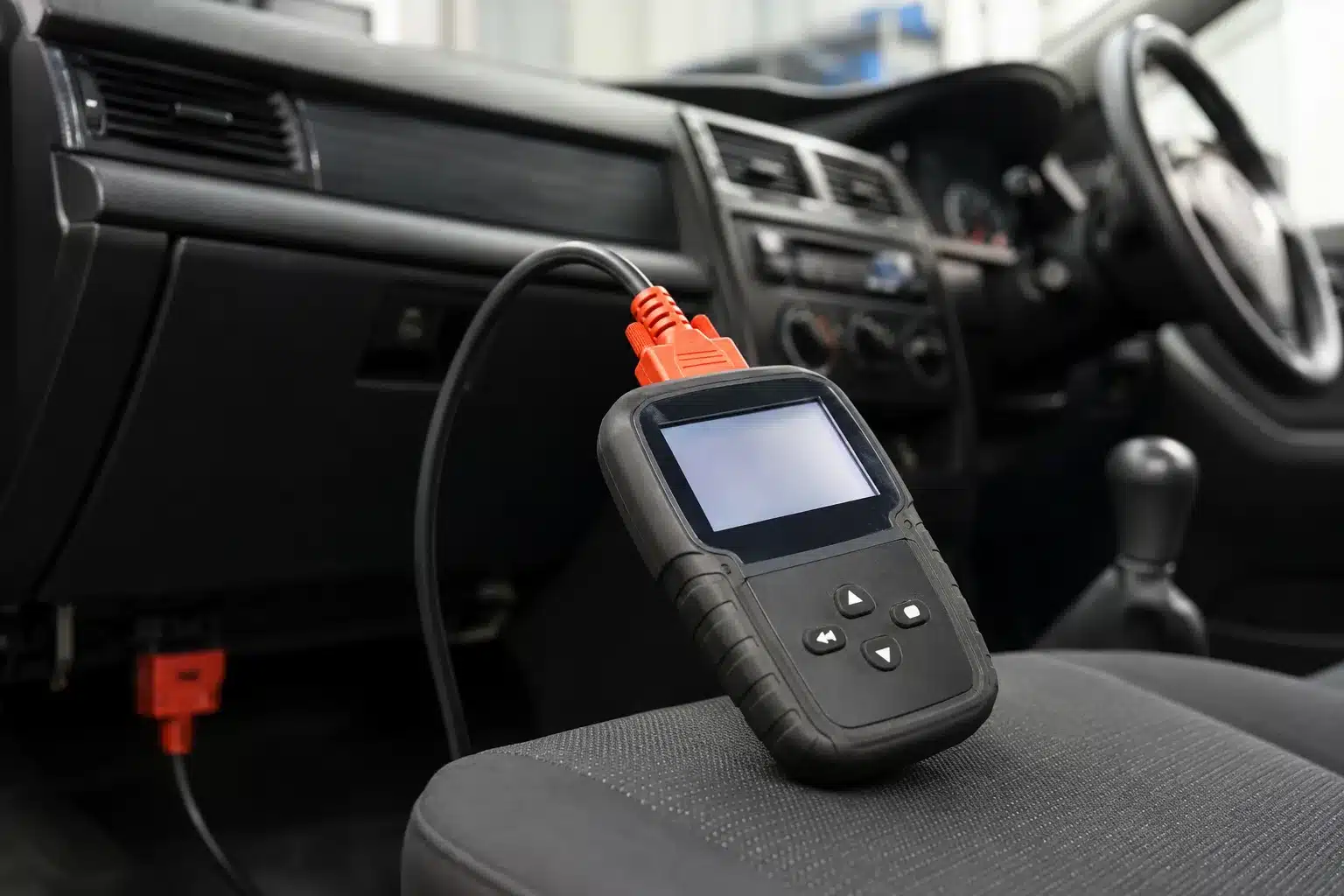
A diagnostic scan is useful in almost every sale. It tells you which trouble code has been stored and helps you describe the fault accurately to the next owner. Remember that the warning can be present for reasons that have nothing to do with emissions. Even so, providing a code is better than saying you have no idea why the light is on. Sellers who share a scanned code and an honest driving history are far easier to deal with than sellers who hope the problem goes unnoticed.
Sell Car With a Check Engine Light: Compare Your Routes
Once you understand what the warning represents, the next step is choosing a sales route. Your option depends on the severity of the condition, your timeline, and your comfort with negotiations.
Repair the Fault First
If the diagnostic scan points to a minor and verified cause, repairing it before listing may remove the warning from the negotiation table. A fault that is quick and inexpensive to fix can make your car attractive to more buyers. Larger repairs are a different story. When the estimate is high, you may not recover the cost through a higher selling price, and selling the vehicle in its current condition becomes a more practical choice.
Sell or Trade It to a Dealership
Dealerships will often take a car with the check engine light on if the vehicle is running and safe to drive. Expect the offered value to be adjusted downward so the dealership can cover reconditioning. If you are trading the vehicle toward another purchase, that arrangement may still make sense. Contact the dealership first and be clear about the warning, the code, and any symptoms so there are no surprises during the appraisal.
Sell Privately With Full Disclosure
A private sale can work, but honesty matters more here than anywhere else. List the check engine light in your ad, share the code if you have it, and describe how the car drives. Some buyers will still walk away because they do not want to manage an unknown fault. The ones who stay are usually more serious, and they will expect a price that reflects the condition.
Request a Quote From an As-Is Car Buyer
When the repair estimate is high, the car is older, or the warning comes with drivability concerns, selling the car as is to a removal service is often the simplest route. An as-is car buyer expects to purchase a vehicle in its current state, which means you do not need to host test drives, order new parts, or explain the warning to multiple strangers. A local cash for cars Vancouver service can assess your vehicle from the details you provide, arrange convenient removal, and handle the recycling side of the process responsibly. Request a scrap car quote and let the service tell you what your car is worth based on its known condition.
Why Selling a Car As Is Can Be the Practical Route
Choosing to sell car as is does not mean staying silent about the warning light. It means giving the buyer an accurate picture before the sale is agreed, rather than defending a hidden problem later. An as-is transaction is most practical when you already know the vehicle needs work and you are not interested in funding that work yourself.
Removal services buy vehicles in many conditions, including cars with warning lights that make normal sale channels difficult. Their quote is based on the vehicle as presented, so your description of the light, the code, and the overall condition still matters. Be honest about whether the car starts, whether it can be loaded onto a tow truck easily, and where it is parked. This kind of detail is just as important as the warning light itself.
What to Prepare Before You Request a Quote
A short checklist will make any inquiry faster and more accurate. Before you contact a buyer or removal service, gather the following:
The year, make, model, and approximate mileage of the vehicle.
The check engine code if a scan has already been performed.
Whether the light is steady or flashing and how long it has been on.
How the car runs now, including any rough idle, stalling, loss of power, or unusual smells.
Any known history, such as recent repairs, past diagnostic findings, or previous warning-light issues.
The vehicle location and whether it is accessible for pickup.
This information does not need to be perfect. A buyer who understands the known symptoms can give you a more realistic condition-based quote, and a removal service can plan the pickup with fewer follow-up calls.
Frequently Asked Questions
Is it legal to sell a car with the check engine light on?
There is no single rule that applies everywhere, because requirements depend on where the vehicle is registered and what you disclose to the buyer. A check engine light can be on for reasons unrelated to emissions, so the warning alone does not prove a serious fault. In British Columbia, safety and emissions requirements can affect vehicle transfers. Confirm current provincial rules with the official authority before you finalize any sale.
Does a dealership buy a car with the check engine light on?
Often yes. Dealerships generally expect a vehicle to be running and safe to drive. If it is, the check engine light may not be a deal-breaker, but the trade-in value is usually adjusted downward to cover reconditioning. A vehicle that is unsafe to drive or difficult to move is a different situation, so it is best to describe the condition to the dealership before arranging an appraisal.
Should I get a diagnostic scan before selling?
A scan is usually worth the time and cost. A stored diagnostic code helps you explain the fault and gives you a realistic idea of the issue before you negotiate. The warning light may be present for reasons unrelated to emissions, and a code can confirm whether the problem is minor or serious. Even if you decide not to repair the vehicle, a scan result helps you share accurate information with every buyer you contact.
If your vehicle has a check engine light and you are weighing repair costs against a direct sale, start by describing what you know about the car. Share the code, the symptoms, the vehicle location, and how easily it can be accessed. A condition-based quote will give you a clear answer without the pressure of a private sale or the expense of unnecessary repairs.
For a local cash for cars quote in Vancouver, contact BC Auto Recycling.