If your vehicle is blocked in, removal is usually still possible, but the pickup needs to be coordinated around access, clearance, the car’s ability to move, and whether surrounding vehicles or obstacles can be repositioned first. In practical terms, car removal for a blocked in vehicle depends less on the size of the tow truck and more on how well the space is prepared before the driver arrives. The more details you can share about the blockage, the more realistic your quote and schedule will be.
Blocking situation
Practical action before booking removal
Another vehicle parked in front of yours
Ask the owner or property manager to move it first. If it is parked illegally, check with local enforcement about how your city handles blocked driveway complaints.
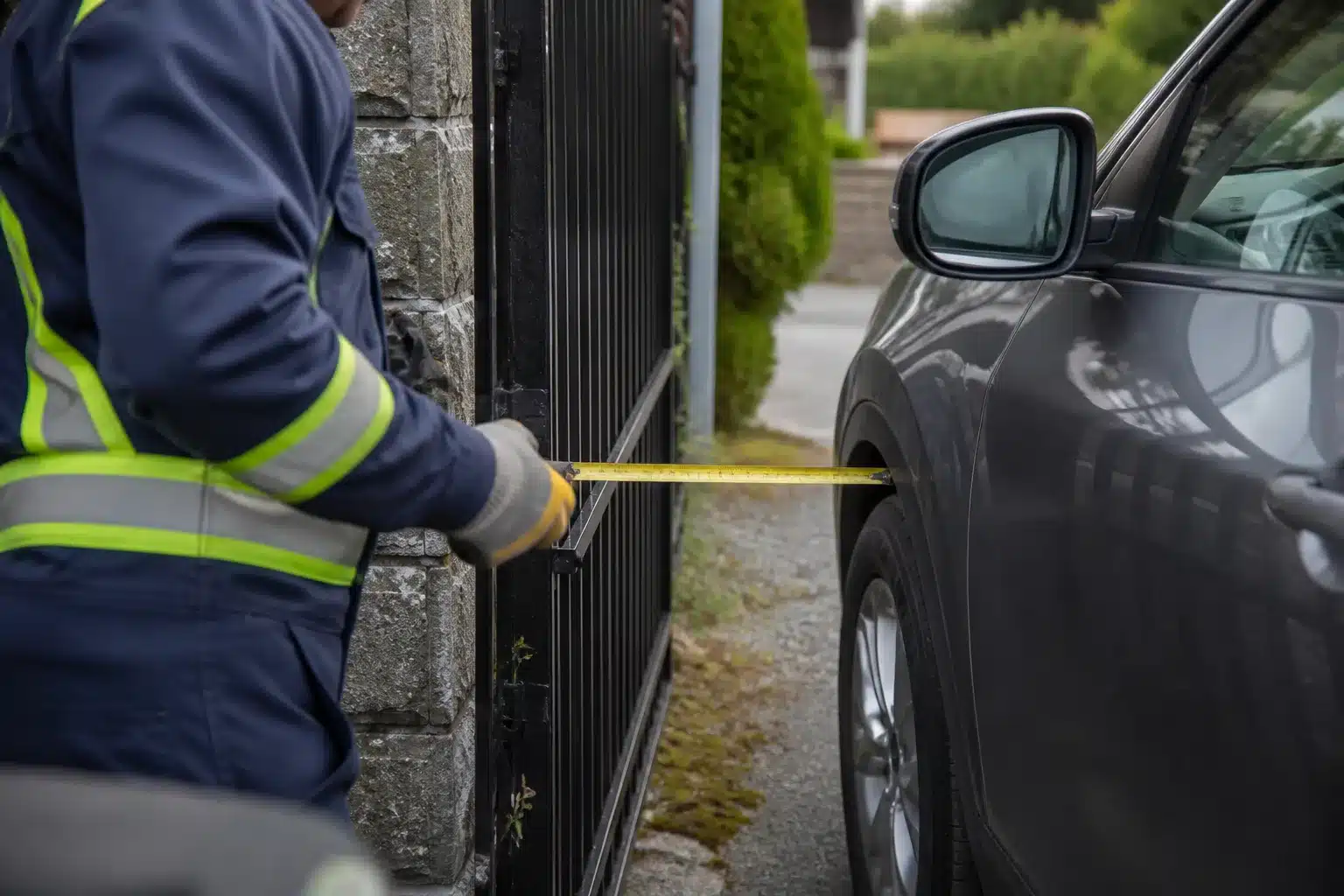
Vehicle behind a locked gate or fence
Confirm the gate can open on pickup day. Arrange for someone with a key, code, or remote to be present when the truck arrives.
Narrow lane, driveway, or parking access
Walk the route and note tight corners, parked cars, low branches, and other pinch points. Share them before the truck is dispatched.
Construction materials, debris, or stored items
Move anything that can be shifted safely. Tell the company what is fixed in place and will limit how close the truck can get.
Why a blocked-in car needs a different pickup plan
An open car sitting on a clear driveway is simple to load. A car tucked behind another vehicle, a locked gate, or a stack of materials is a different job. The crew has to confirm they can physically reach the vehicle, choose where to park the truck, and in some situations prepare the path before loading begins. Professional removal teams routinely handle vehicles with flat tires, dead batteries, and missing keys, so the mechanical condition of the car is rarely what stops a pickup. The space around the car is what decides whether the job goes smoothly.
Clear communication also protects you as the seller. No one wants to clear the path, wait for a driver, and then watch the truck leave because the route was tighter than expected. A removal buyer who asks for photos and asks about clearance is not being difficult; they are doing the practical work that makes an inaccessible car pickup possible. When the land around the vehicle is narrow, the correct move may be a scheduled visit with a different truck instead of an immediate dispatch. Treat that as normal towing coordination rather than a problem.
Planning car removal for a blocked-in vehicle
Your first contact should describe what the driver will meet. If the car is boxed in by another vehicle, explain whether that vehicle can be moved and who controls it. If a locked gate or fence is the issue, say who can open it. If construction materials or stored items are in the way, describe what they are and whether they are movable. This is the start of a realistic planning process, and it gives the dispatcher enough information to choose the right truck and the right time.
Details worth having ready before you call or submit a request:
Where the vehicle is sitting and how many vehicles or objects are around it
Whether the car can roll, start, or steer, and whether keys are available
Whether the blockage belongs to you, a neighbour, or a property manager
Whether the route to the vehicle is level, sloped, paved, gravel, or soft ground
Whether someone with authority will be on site to open gates and sign a waiver
Photographs help more than a long written description. Step back far enough to show the whole scene, including the approach route, so the dispatcher can see the clearance for themselves. If the blocker can be moved safely, move it before booking, but do not take risks with someone else’s property. When the plan depends on being able to move a car for tow truck access, explain whether the obstacle is temporary, such as a vehicle that leaves for work each morning, or more permanent, such as a locked gate or an immovable load. A tight-access car removal is not a problem if the company knows about the space before the truck arrives.
When to repair, sell privately, or sell the car as is
Not every blocked-in car needs to be scrapped. If the vehicle is mechanically sound and the only problem is that it is boxed in, a private sale may work once the car can be driven out. If the issue is a dead battery or a flat tire, a roadside service call may get it moving without a sale. The condition of the vehicle should guide the decision; the blockage only affects how the car gets out.
For a car that is damaged, non-running, or no longer worth repairing, an as-is sale to a local recycling buyer is often the cleanest route. The value of the car is tied to what can be recovered from it, including usable parts and scrap metal, so the offer should reflect the car in front of you rather than a generic number. If you are in the Lower Mainland, scrap car removal Vancouver services work the same way: the vehicle is assessed for what it can yield, and access is confirmed before pickup.
When someone else’s vehicle is blocking yours
Some of the most common blocked-in situations involve a car that belongs to someone else. Municipal rules around this issue are not uniform. In many cities, a vehicle blocking a private driveway can be reported to the police non-emergency line or to parking enforcement, and in some places officers have the legal authority to remove a vehicle that obstructs a private driveway.
Because the rules vary from one municipality to another, check with your city or regional district before you request a blocked driveway tow of a vehicle you do not own. In most cases, this kind of enforcement is handled through official channels rather than by a private tow company. If the vehicle has been abandoned on your property, the correct process also depends on local rules, so confirm the current steps with the right municipal department before you act.
When you are ready to move forward, a condition-based quote starts with a truthful summary of the car and its surroundings. Tell the team what the vehicle is, whether it runs, what condition it is in, and what stands between it and the street. For cars with clean access, ask whether same-day car removal is available when you call. For blocked-in vehicles, expect a pickup time that matches the access. The more accurate your vehicle and location details are, the more useful the response will be.
Frequently Asked Questions
Can a removal service still take a car that does not start or roll?
Yes. Removal crews deal with non-running vehicles all the time. Flat tires, dead batteries, and missing keys are common reasons a car ends up as scrap, and they do not prevent pickup by themselves. What matters is whether the truck can reach the vehicle and whether the crew can load it safely. Tell the dispatcher about the condition and the blockage, and the crew can plan accordingly.
Who do I call if someone else’s car is blocking my driveway?
That depends on your municipality. Many cities handle blocked driveway complaints through the police non-emergency line or a dedicated parking enforcement office. In some places, officers have the authority to remove a vehicle that obstructs a private driveway. The rules are not the same everywhere, so check your city’s current enforcement process before calling. A private tow of a car you do not own is rarely the right first step.
Do I need to be on site when the car is picked up?
A responsible adult should be present. Most removal services require a waiver confirming you own the vehicle and authorize the pickup, and someone needs to open gates, remove a lock, or direct the driver to the vehicle. If you cannot be there, arrange for a neighbour, family member, or property manager to act for you and stay until the car is loaded.
To get an accurate response, share your vehicle’s year, make, model, condition, and location, and include the access details that matter most: what is blocking the car, whether it can be moved, and when someone will be available. With that information in hand, the removal team can give you a condition-based quote that reflects the real situation rather than a best-case guess.