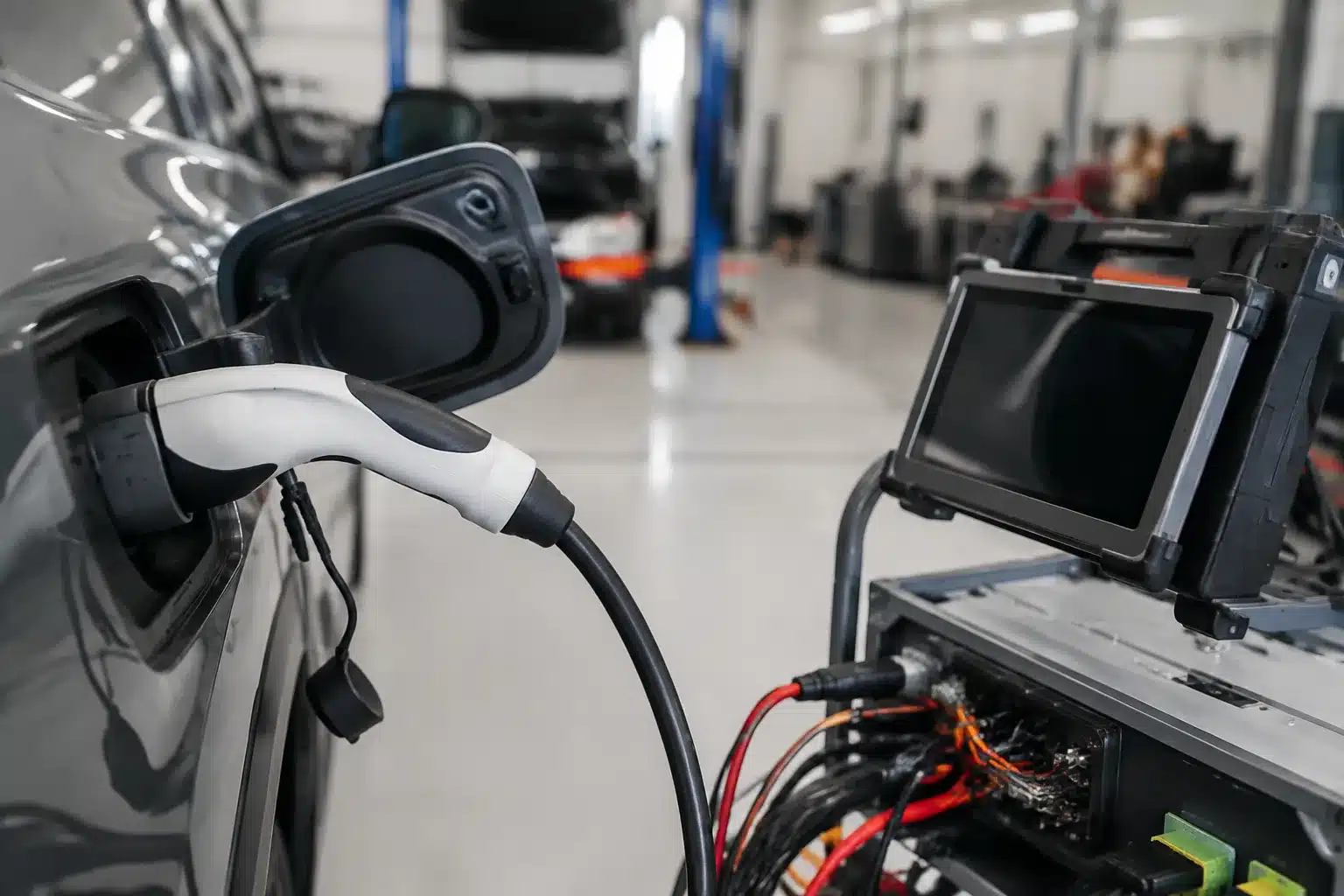
You can sell an electric car with a failed battery, but it is not the same transaction as selling a running used car. A buyer’s offer will depend on how severe the EV battery failure is, the vehicle’s make and model, the condition of the rest of the car, and whether the car can be moved safely. A failed traction battery does not automatically make the vehicle worthless, but it shifts the sale to a condition-based market.
Before you ask for quotes or arrange pickup, it helps to see where your car sits in that market. The table below compares common battery problems and the details a seller should prepare for each.
Battery state
What buyers will factor in
Details that help with a quote
Reduced range but drivable
A degraded battery can reduce an older EV’s resale value by about 20% to 50% compared with typical values.
Current range estimate, full-charge behaviour, model year, and odometer reading.
Charging problems or warning messages
Uncertain diagnostics make buyers cautious because repair could mean an electric vehicle battery replacement or a simpler module fix.
Warning messages on the dash, diagnostic codes, service notes, and how the issue started.
Battery holds no charge or will not charge
The car may start intermittently but cannot be relied on for daily use, so the buyer assumes repair risk.
Repair estimates you have received, mileage, charging history, and comments from a shop.
Non-moving EV
Transport and loading become the priority because the car has to be towed or winched onto a truck.
Exact location, whether the car rolls, whether the brakes are released, and whether parking access is clear.
Why EV Battery Failure Is Different From a Drained Battery
Running out of charge in an electric car is inconvenient, but today’s EVs give drivers plenty of warning before that happens. A depleted EV battery also poses little risk of damaging the EV itself. Charging the car again normally restores it. EV battery failure is another matter. A module or cell inside the high-voltage pack can stop working properly even in a relatively low-mileage vehicle, producing warnings, reduced range, or a total loss of drive power.
Because the high-voltage battery is so central to the car’s value, repair quotes can be surprisingly high. In one published example, a low-mileage 2016 e-Golf developed a defective module inside its high-voltage battery pack, and the dealer repair estimate came to about $9,000. A quote like that often pushes owners toward warranty coverage when it applies, and toward selling the vehicle as-is when it does not.
What Affects the Offer for a Damaged EV
A realistic offer for a car with battery trouble is always condition based. Several factors shape what a buyer can justify paying:
Battery condition and history. Photograph warning messages, note how quickly range drops, and mention any diagnostic codes. Battery insight reports, such as those offered by Recurrent, help buyers better understand a vehicle and make it easier to evaluate the car and buy with confidence.
Make, model, and year. Parts availability drives everything. An uncommon battery pack may make an electric vehicle battery replacement more expensive, while a popular model with strong parts demand can interest a dismantler that resells used components.
Condition of the rest of the vehicle. The electric motor, wheels, body panels, interior, and electronics still have value even when the traction battery has failed. A damaged electric car buyer will usually weigh the whole package, not just the battery.
Access and location. A car in a driveway is easier to inspect and load than one parked behind a locked gate or inside a tight parkade. Be ready to describe the setting accurately.
The resale effect of battery trouble is real. Market reporting on older EVs shows that a degraded battery usually lowers the selling price, often by roughly 20% to 50% below typical resale value. A complete EV battery failure is a more serious condition, so the details you disclose matter at every stage.
How to Sell an Electric Car With a Failed Battery
Your practical options depend on the battery diagnosis, your timeline, and whether you want to manage a private sale or hand the vehicle to a removal service.
Sell it privately with full disclosure
A private buyer may be looking for a project EV, a parts donor, or a car they can repair at their own shop. Set a realistic asking price based on the vehicle’s non-running value, and share service records and any written repair estimate you have received. Honest disclosure protects the buyer and keeps the sale straightforward.
Repair it first if the numbers work
Some owners choose to fix the battery and sell a running EV. Dealership or specialist diagnostics will show whether the problem is one module or the full pack. Compare the written repair cost against the expected resale value of a working car and the best as-is offer you can find. If those numbers do not line up, selling the car in its current state is the practical route.
Sell it as-is to a dismantler or removal service
Another option is selling a non-running EV to a local dismantler or removal company. A car removal Vancouver service that handles vehicles unable to drive can tow the car, assess the remaining parts, and recycle the materials. If you are searching for electric vehicle recycling BC, ask the buyer how the vehicle will be processed and what will happen to the failed battery pack before you agree to the pickup.
EV Towing Considerations for a Non-Running EV
Transport is often the biggest practical barrier. A car that cannot roll onto a flatbed may need to be winched, and that affects how the removal team approaches the job. EV towing considerations start with accurate communication: tell the company this is an EV with a failed traction battery, and state whether the wheels turn, whether the ground is level, and how much access the driver will have.
A car with a completely dead battery is not the same as a drained battery that can simply be charged on site. Today’s EVs warn drivers well before a full discharge, so a truly non-moving EV usually points to a deeper electrical problem. The removal company needs that information to plan the right equipment and to avoid a wasted trip.
Questions to Answer Before You Request a Quote
The faster you give accurate details, the sooner a buyer or removal service can respond with a realistic condition-based quote. Have these items ready:
Battery state: Does the car charge? Do warning messages appear? How far does the vehicle drive before losing power?
Repair documentation: Share a copy of any inspection report or dealer estimate you have received.
Vehicle basics: Year, make, model, trim, odometer reading, and overall body condition.
Location and access: Address, driveway or parkade details, and any obstacles that could affect towing.
Ownership status: Confirm that the vehicle is free of liens and that you have the paperwork needed to transfer it. Provincial documentation rules can change, so verify current requirements with the registration office in British Columbia.
Once those details are gathered, you can request a scrap car quote and receive an assessment based on the actual condition of the vehicle.
Frequently Asked Questions
What is the difference between a dead EV battery and a failed one?
A dead battery is simply drained. Today’s EVs give clear warnings before a full discharge, and charging restores normal operation. There is little risk of damage from running the charge down to zero. A failed battery is a fault inside the high-voltage pack. It can stop charging, limit range, or prevent the car from moving, often requiring expensive repair before the car is usable again.
Can I sell a non-running EV for parts and recycling?
Yes. The body, interior, motor, wheels, and electronics retain value even when the traction battery does not work. A removal service that handles non-running EVs can tow the vehicle, assess the remaining parts, and recycle what is left. Ask what will happen to the battery pack and what documentation the company expects before pickup.
Should I replace the battery before I sell?
Start with the written repair quote and an accurate resale estimate. If the traction battery is still under the manufacturer’s warranty, replacement may be the easiest route. If the car is out of warranty, the repair can easily cost thousands of dollars. Ask yourself whether that cost will come back in the sale price. In many cases it will not, and an as-is sale becomes the better financial choice.
What should I tell a removal company before pickup?
Tell the company that the vehicle is an EV and describe the battery state accurately. Mention whether it can roll, whether the brakes are released, where it is parked, and how much access a tow truck will have. Confirm the ownership paperwork needed for transfer in British Columbia before pickup, because requirements can change.
Get a Condition-Based Offer for Your EV
If your electric vehicle has a failed traction battery and you are in the Metro Vancouver area, start with the facts. Share the make, model, battery state, and pickup location, and let the buyer tell you which parts of the car hold value. A car removal Vancouver team can help with transport, but the first step is an honest conversation about your vehicle’s current condition.
For cash for cars and free towing in Vancouver, contact BC Auto Recycling.