
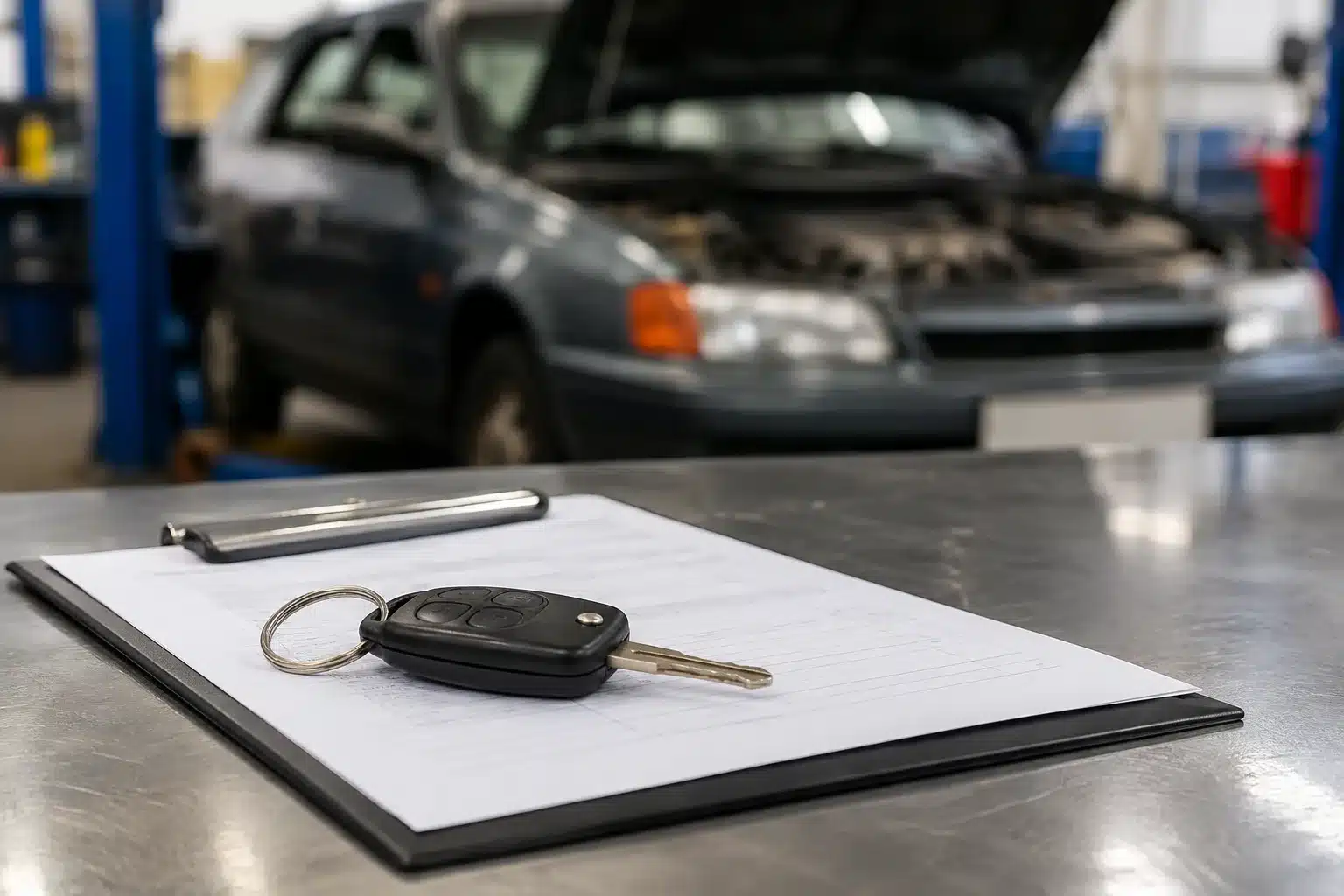
When the repair shop hands you an estimate that costs more than the car is worth, you have every right to decline car repairs. That decision, however, leaves the vehicle sitting on someone else’s property while you figure out the next move. You do not have to tow the car home just to deal with it later. In many cases you can sell a car from a repair shop in one coordinated step, provided you confirm the shop’s release process, describe the diagnosis honestly, and arrange pickup that matches the vehicle’s actual condition and location.
Shops are used to owners saying no to expensive work. The challenge is making sure the car does not sit long enough to create new complications, so the sooner you clarify the release terms, the smoother the process will be.
Use this summary to match your situation to the correct first action:
Vehicle situation
First action
Details needed before removal
Drivable car waiting for your decision
Confirm the shop can release the vehicle, then drive it away once current charges are settled or schedule a buyer to view it.
Mileage, the reason for the original estimate, and any warning signs you can describe.
Non-running car at the mechanic
Call the shop to confirm who may enter the property with a tow vehicle and what release steps are required.
A written diagnosis, the date work stopped, and access instructions for the pickup driver.
Car that is already partly disassembled
Ask for a written list of parts removed and confirm whether those parts stay with the vehicle.
A list of missing parts, the condition of the remaining body, and the number of keys available.
Vehicle with charges building for diagnosis or storage
Request a written explanation of every charge before agreeing to anything.
The total amount owed, what the charges cover, and written confirmation that the vehicle can be released to your chosen buyer.
Selling a Car From a Repair Shop Starts With the Right Conversation
Your first call should go to the service manager, not to a buyer. Ask what the shop needs before it will release the vehicle. Some shops require payment for work already performed, while others expect you to sign a form confirming that you declined the recommended repair. Whatever the policy, ask for it in writing so there is no confusion later.
You should also gather the documents related to the car before you make any promises to a buyer. That means the vehicle title, service records, and the original sales paperwork if you still have it. Buyers and removal services will want to see that you are the registered owner and that the car can be transferred legally.
The shop’s release process matters because the mechanic has possession of the vehicle. In many regions, a shop holds a legally enforceable mechanic’s lien on any car left with it for repair, and that lien can give the shop the right to sell the vehicle to recover unpaid repair costs. Check the current rules in your province and confirm with the shop exactly what must be settled before an outside party can take the car.
Why Condition and Access Details Matter Before You Move the Car
The vehicle’s physical state determines how it will leave the lot. A car that still runs can be driven to a new owner. A car that cannot start needs to be loaded onto a tow truck. A car that is partially taken apart needs an accurate parts list. Each situation changes what you tell the buyer and how you arrange car pickup from mechanic locations.
A Drivable Car Still Needs a Clear Exit Route
If the shop performed no work and the car starts normally, you may be able to drive it away after paying any diagnostic fee. That keeps the vehicle easy to show to a private buyer. Be upfront about why the shop suggested the repair in the first place. Honest sellers describe the issue, share the estimate, and price the car accordingly.
A Non-Running Car at a Mechanic Needs a Tow Plan
A vehicle that will not start is the most common situation when someone declines a major engine or transmission repair. The correct approach is to confirm release, settle any money owed, and arrange for a tow truck to collect the vehicle during business hours. The buyer or removal service needs the shop’s address, the shop’s contact person, and permission to enter the property with equipment.
A Partly Disassembled Car Needs an Honest Parts List
If the mechanic started the job and removed components before you stopped the work, do not describe the car as complete. Ask the shop for a written record of what was taken off and whether those parts will be returned with the vehicle. A missing transmission or radiator changes the car’s value significantly, and the buyer must know before the truck arrives.
Repair-Shop Vehicle Removal Depends on Accurate Details
Whether you sell privately or contact a removal service, the quote you receive will only be as good as the details you provide. For repair-shop vehicle removal, a buyer cannot inspect the car as easily as they could in your driveway, so your description carries extra weight.
Prepare these details before you reach out:
The exact mileage recorded when the car arrived at the shop.
The written repair estimate and the reason the shop recommended the work.
Whether the engine starts and whether the car can move under its own power.
A list of any parts already removed by the mechanic.
The number of keys and sets of service records available.
The amount owed to the shop, including diagnosis, storage, or completed work.
Confirmation that the shop will allow the buyer or tow driver on the property.
Sellers in the Lower Mainland can look into the cash for cars Surrey service when they want a direct sale arrangement for a vehicle that is not worth moving home first.
Deciding Whether to Repair, Sell, or Remove the Vehicle
Repairing a car might save you money in the long term when the vehicle is otherwise solid. If the car is not worth the repair bill, selling can be the smarter move because it avoids pouring more cash into something with limited value. That is why it helps to compare the cost of the estimate against the realistic resale value of the car in its current condition.
Once you know the car is not worth fixing, you have two practical routes. The first is to settle with the shop, move the vehicle home, and attempt a private sale, which works well for cars that can still be driven and inspected safely. The second is to sell the vehicle directly from the shop to a removal service that handles the pickup, which suits most non-running cars and vehicles with costly storage charges already building. Our longer comparison of whether to repair or scrap an old car explains how owners weigh those two directions.
A Short Pre-Contact Checklist Before You Sell After a Repair Estimate
When you decide to sell car after a repair estimate arrives, do not let the car sit while you shop for offers. A short checklist keeps the process moving:
Phone the shop and ask for the release process in writing.
Request an itemized statement of any money owed, including diagnostic fees and storage.
Collect the title, service history, and original sales paperwork.
Ask the mechanic for a copy of their diagnosis and the declined estimate.
Describe the vehicle to buyers using the list above, with no exaggeration about its condition.
Confirm pickup hours and access rules with the shop before you schedule anyone.
The goal is to arrange one clean handoff. If you describe the car exactly as it sits, confirm permission for the pickup driver, and settle what you owe the shop, the removal becomes a straightforward appointment instead of a long negotiation.
Frequently Asked Questions
Can the repair shop sell my car if I do not pick it up?
A shop may hold a legally enforceable mechanic’s lien on a car left with it for repair. In some regions, that lien gives the shop the right to sell the vehicle to recover unpaid repair or storage charges. The rules vary, so do not assume the car can stay on the lot indefinitely. Contact the shop, clarify what you owe, and check official provincial guidance before too much time passes.
Do I need the shop’s permission before a buyer or tow truck picks up my car?
Yes. The shop has possession of the vehicle, so any outside party needs approved access to the property and to the keys. Ask the service manager who may enter, what hours pickup can happen, and what paperwork they require for release. Confirming these points before you schedule the buyer prevents wasted trips and awkward delays.
What should I tell a buyer if the mechanic already removed parts?
Be honest and specific. Describe the work the shop started, list the parts already removed, and confirm whether those parts will stay with the vehicle. Share the written diagnosis and the declined estimate so the buyer understands why the car is there. A partly disassembled car is worth less than a complete one, and an accurate description protects both sides.
Is it better to repair the car or sell it after a high estimate?
A repair may save money over the long term if the car is otherwise dependable and the repair bill fits your budget. Selling makes more sense when the vehicle is not worth the repair bill and you want to stop spending on it. Compare the estimate against the realistic resale value in its present condition before deciding.
If your car is sitting at a shop and the estimate convinced you to let it go, request a condition-based quote after sharing the vehicle details, the amount owed to the mechanic, and the shop’s pickup access. An accurate description of the car and its location is the fastest way to get a fair response.