Yes, you can sell a car with bad brakes in many situations. That said, a vehicle with dangerous brakes should not be driven until the system is repaired or the car is moved by tow. Keep the selling decision separate from the driving decision. Disclose the brake problem up front and arrange a pickup method that matches the true condition of the vehicle. That single habit protects you, the next owner, and everyone else who shares the road.
Brake trouble is a common reason owners start looking for a way out. Grinding pads, a soft brake pedal, pulling to one side, fluid on the ground, or a brake warning light that stays on can all turn a daily driver into a problem vehicle. Some of these repairs are minor. Others mean the car is an unsafe to drive car and should be handled accordingly.
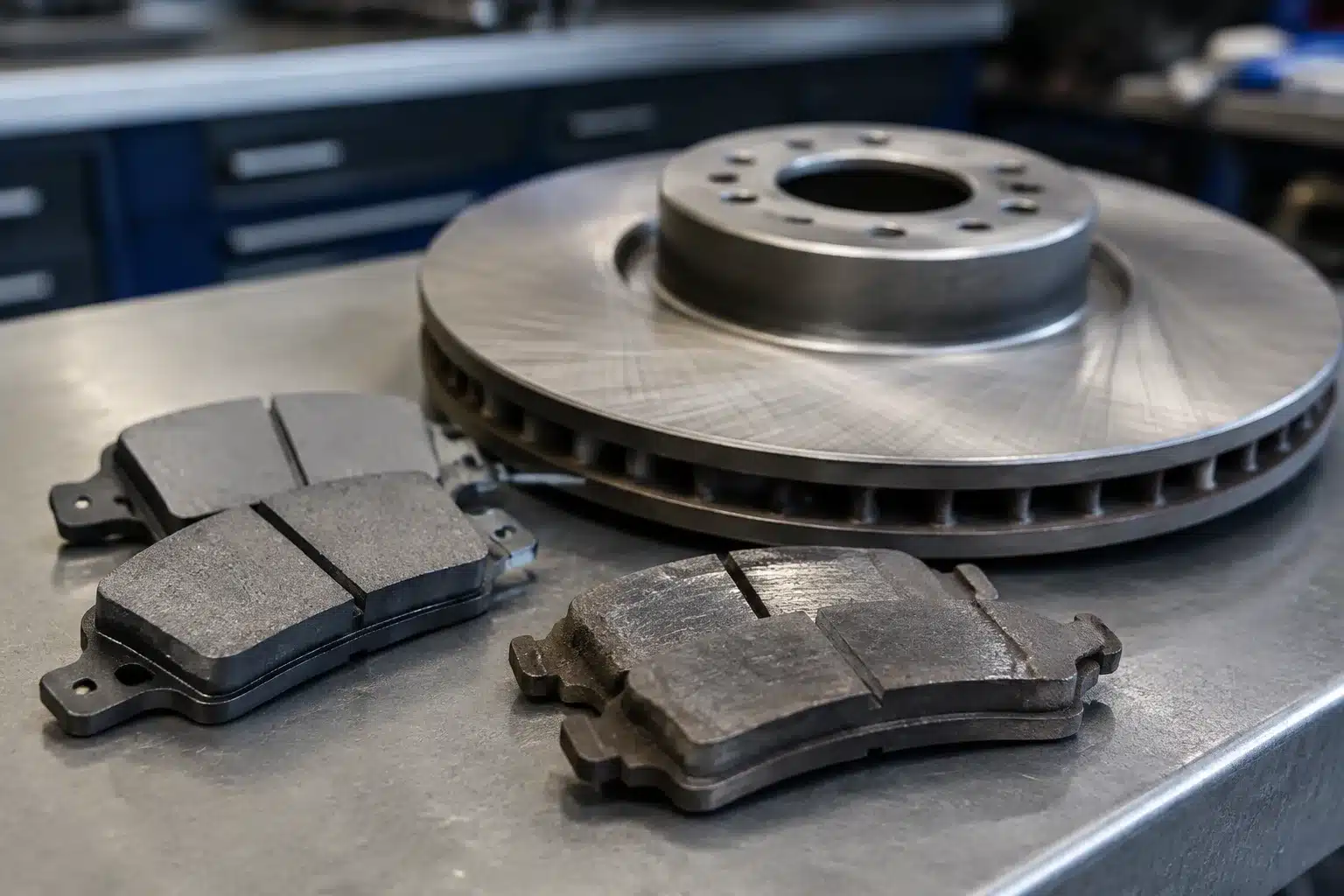
The table below summarizes the main brake concerns and how each one affects driving, disclosure, and pickup planning.
Brake concern
Should you drive?
What to disclose
Effect on pickup
Worn brake pads
Only for essential short trips, and only after a mechanic confirms basic function.
Pad wear, grinding, or noise when stopping.
Buyer may want to inspect rotors or hear the vehicle run; keep movement limited.
Brake warning light
Avoid driving until the fault has been diagnosed.
The warning light is active and the cause is unknown.
No test drive is possible until the system is checked.
Fluid leak or soft pedal
Do not drive. Stopping distance may change without notice.
Visible leaks and any change in pedal feel.
Transport may need to account for leaking brake fluid.
No effective braking
Do not drive. Treat the car as a brake failure car.
Pedal goes to the floor or the car will not stop.
Towing is required; clearly state the vehicle towing needs.
Use this table as a starting point, not as a substitute for a professional inspection. If you are unsure whether the car is safe to move, ask a mechanic or arrange transport instead of risking a drive around the block. Many serious brake faults only show up once the car is moving at speed, which is the wrong time to discover them.
Why Brake Problems Change the Sale
Brakes are treated as a safety device in the used-car world. Many reputable dealers replace worn braking parts before listing a vehicle because they do not want the liability attached to a sale. Individual sellers often take a different path: disclose the wear honestly, price the car accordingly, and let the buyer take it as it sits.
Honest description is the foundation of this approach. When a vehicle is sold with defects like faulty brakes, the sales contract and any warranty documents should be reviewed carefully. If the deal includes clear as-is terms, the next owner generally accepts responsibility for the vehicle’s condition. Dealers may face stricter expectations than private sellers in some provinces and states, especially when a known safety defect is involved. Rules vary, so check current official guidance for the region where you are selling.
How to Sell a Car With Bad Brakes Safely
Start by diagnosing the problem and writing down exactly what happens when you press the pedal. This information matters because buyers respond differently to a worn pad than they do to a hydraulic failure. A grinding noise can sometimes be solved with a straightforward brake repair. A sinking pedal points to something more serious and reduces the number of buyers who will even consider the vehicle.
Price the vehicle realistically from the start. Brake repair cost is often the first number a buyer calculates, and many sellers discover that fixing the car before a trade-in does not return the full amount spent. The goal is to find the route that makes sense for your situation without turning the car into a money pit.
Selling Privately With Disclosure
A private sale can still work when the rest of the car is solid. If the engine runs well, the body is straight, and the only serious issue is the braking system, you may find a buyer who plans to replace those parts anyway. Put the brake condition in writing, answer questions directly, and never let anyone test drive the car until the brakes have been inspected and approved by a professional.
Repairing Before You Sell
Repair first if the car is otherwise dependable and you have the budget to wait. A vehicle with working brakes opens up a much larger pool of private buyers because most people expect a safe test drive. This route only makes sense when the projected sale price clearly justifies the work. For an older car with extensive issues, the expense may not be worth it.
Selling a Damaged Car As Is to a Scrap Car Buyer
For owners who do not want to spend more money, selling damaged car as is to a scrap car removal service is often the simplest option. These services buy vehicles with failed brakes, dead engines, rust, and accident damage. An as-is vehicle buyer will typically arrange towing and handle the vehicle without requiring you to make repairs.
If the car also will not start or has additional mechanical problems, you can sell a car that does not run through a similar process. The main difference is that the vehicle cannot move under its own power, so pickup arrangements become even more important.
What Goes Into a Condition-Based Quote
A scrap car quote depends on the details you provide. Describe the actual condition of the car, including the brake symptoms, the odometer reading, the engine condition, and any recent repairs. Honest details produce a more realistic quote because the vehicle will be dismantled for reusable parts and recycled materials. A car with a healthy engine or valuable components may hold more value than one with severe damage across multiple systems.
Access also affects the pickup. Let the buyer know whether the car is parked in a driveway, on the street, underground, or behind a locked gate. A clear location and a reasonable pickup window make the process smoother for everyone. Ask about towing requirements before you commit, and confirm that the service can handle a vehicle that rolls but cannot brake safely.
Pre-Contact Checklist
Before you request a quote or speak with a buyer, gather these basics so the conversation stays productive:
Confirm the exact brake symptom: grinding, soft pedal, warning light, leak, or no effective braking.
Take clear photos of the dashboard warning light and any visible fluid leaks.
Have the vehicle ownership documents ready and confirm there are no outstanding liens or transfer restrictions.
Write down the vehicle make, model, year, mileage, and known mechanical history.
Note where the car is parked and whether the buyer or tow driver will need special access.
When you have those details ready, contact a local scrap car removal service and describe the brake problem honestly. Transparency on the first call saves time and prevents surprises later. If the vehicle is unsafe to drive car but still parked in a convenient location, the removal team can bring the right equipment and complete the pickup without you needing to move the vehicle.
No seller wants to watch a car roll onto a tow truck with a brake line leaking or a pedal that goes to the floor. But selling a car with faulty brakes does not have to be stressful when you plan the handoff around the vehicle’s real condition. The safest sale is one where everyone knows what to expect from the moment the key changes hands.
Request a condition-based quote once you have shared accurate vehicle details, access information, and the current location of the car. A direct answer based on the facts you provide is the fastest way to move forward.
Frequently Asked Questions
Should I fix the brakes before I sell my car?
There is no single answer because every vehicle and repair estimate is different. Many owners skip the repair and sell the car with the brake problem disclosed, especially when the trade-in value will not move much. If you want a wider private buyer pool, get a written estimate first. Then compare that cost against a realistic selling price and choose the route that makes financial sense.
Will a scrap car buyer pay for a car with bad brakes?
Yes, scrap car removal services commonly buy vehicles with failed or failing brakes. A condition-based quote depends on the vehicle’s metal value, reusable parts, engine, body, and overall demand in the recycling market. Your quote improves when you describe the brake issue completely. Be clear about whether the car still rolls or whether the vehicle towing needs are more involved.
Do I have to tell a buyer about the brake problem?
Yes, tell them. It saves time and protects you from a dispute after the sale. When a vehicle is sold with defects like faulty brakes, review the contract and warranty documents carefully because as-is language changes who accepts responsibility. Many provinces and states require disclosure of known safety issues, but the specific rules differ, so verify the requirements in your area.
Can a private buyer test drive a car with faulty brakes?
Only if a mechanic has confirmed the car is safe enough for the road. If the brakes are borderline or the pedal feels abnormal, arrange a tow instead and describe the vehicle honestly as an as-is opportunity. Never risk a short test drive that could turn into an accident, because the responsibility stays with the seller during that drive.