Dealer Won’t Take Your Old Car? Here’s What to Do Next
Told that a dealer won’t take my car? You are not stuck. Dealerships can refuse a trade-in for a number of reasons, and none of them mean the vehicle is worthless. The practical options that remain depend on whether the car runs, what repairs it needs, how quickly it must be removed, and whether its remaining parts and recyclable material still hold value.
The table below compares the four main routes you can take after a trade-in rejection.
| Option | Best fit | Likely effort | Timing | Key information needed |
| Private sale | Car runs and looks presentable | High: listing, photos, test drives, negotiation | Days to weeks | Fair market value, service history |
| Repair then sell | Minor mechanical issues only | Medium: shop visit, then another sale attempt | Depends on the repair shop | Repair quote compared to expected value after the fix |
| Donation | Low resale value, quick removal wanted | Low | Depends on the charity’s schedule | Charity requirements and pickup process |
| Direct as-is sale | Old, damaged, high-mileage, or non-running cars | Low: one phone call or online form | Often same day | Condition details, whether it runs, mileage, location |
Why Do Dealerships Reject Some Older or Damaged Vehicles?
A dealership has no legal obligation to accept your vehicle as a trade-in. It can refuse for any business reason, and that decision usually comes down to whether the car fits its resale model. Dealerships factor in the age, mileage, and price of the vehicle, as well as the nature and timing of any mechanical problems. A car rejected for trade in because it needs costly repairs simply looks like a financial risk rather than reliable inventory.
The same logic applies when an old car trade in refused because of a check engine light, collision damage, or a transmission concern. Some dealers do accept non-running vehicles, but they account for the cost of repairs before making an offer. If those repairs are extensive, the number they come back with can feel almost like an insult. When a dealer refused damaged car, the message is usually the same: the cost to recondition and resell the vehicle would eat up any potential profit.
What a Rejection Does, and Does Not, Say About the Car’s Value
A trade-in offer is based on what the dealer expects to get from reselling the car on its lot. That is retail resale value. A separate value exists below that: the value of the parts and recyclable material inside the vehicle. An engine, catalytic converter, radiator, doors, and other components can be removed and reused even when the car as a whole is no longer roadworthy.
So when a car is not eligible for trade in under dealership standards, it can still be worth real money to a buyer who dismantles vehicles. The rejection tells you the dealer does not want the risk of reselling it. It does not tell you the car has no value at all.
Your Options After a Trade-in Rejection
Once the dealer says no, you have four realistic routes. Each one has a different level of effort, timing, and payoff.
Sell the Car Privately
A private sale usually produces the highest cash price, but it also requires the most work. You need to write a listing, take photos, answer questions, arrange test drives, and negotiate with buyers who may not share your sense of the car’s value. For an older car with visible damage or warning lights, private buyers are often scarce. This route makes sense when the car still runs well and you have time to wait for the right buyer.
Repair It and Try Again
If the dealer’s objection was a specific mechanical problem, a repair could change the outcome. Get a written quote before you spend anything. Compare that quote with what the car would be worth after the repair. If the repair cost is higher than the value it adds, the work does not make financial sense. This route works best for cars with minor, inexpensive fixes rather than major engine or transmission work.
Donate the Vehicle
Donation removes the car quickly and supports a cause you choose. Charities vary in what they accept, so confirm that the organization can handle your vehicle and arrange the pickup. You will not receive cash, but you will avoid the hassle of listing, showing, and negotiating. This is a good fit when the car has very little market value and you simply want it gone responsibly.
Sell Directly to an As-Is Vehicle Buyer
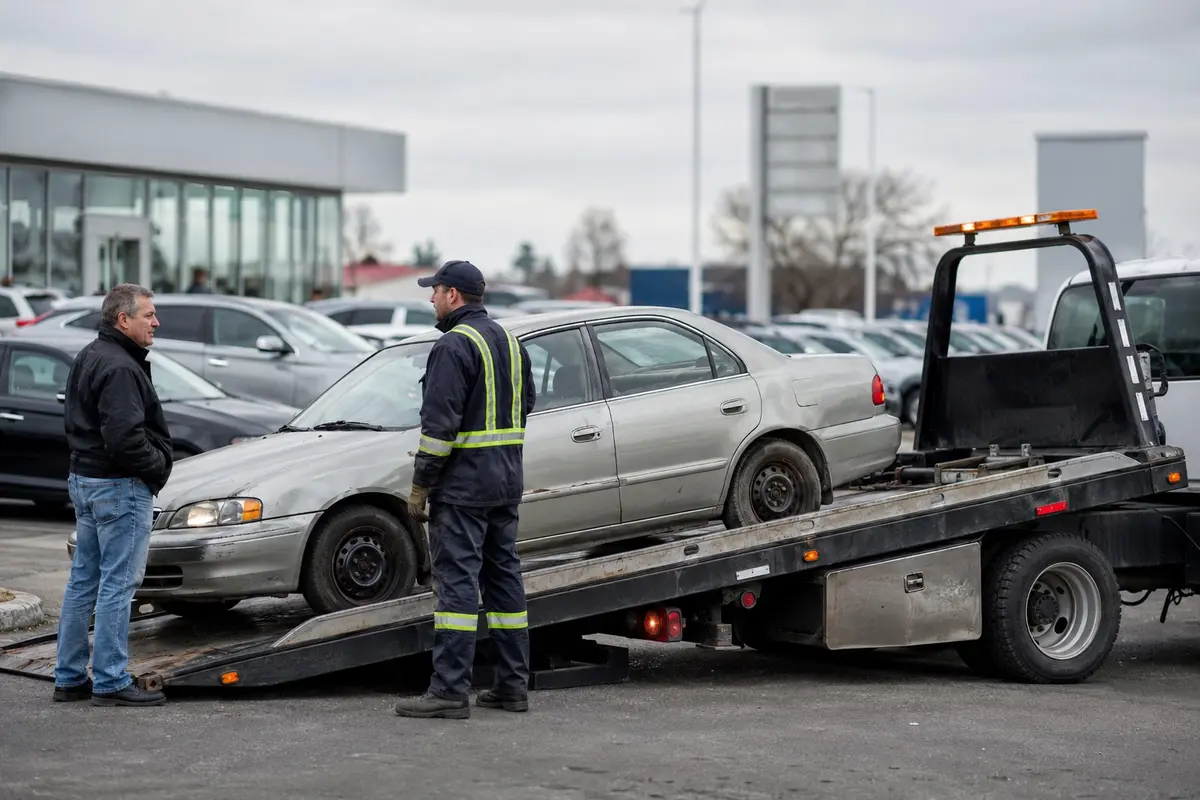
An as-is vehicle buyer purchases the car in whatever condition it sits. You do not need to repair it, clean it, or make it presentable. The offer is based on details such as whether it runs, its age, mileage, and visible damage. If you decide to sell unwanted car directly to a buyer, the process is straightforward: describe the condition, get an offer, and arrange pickup. For Metro Vancouver owners, a cash for cars Vancouver service can provide a same-day removal with payment, no dealership shopping required.
Sometimes the most practical move is to sell a non-running car directly rather than push for a trade-in that will never happen. Direct sales also cover damaged, high-mileage, and warning-light vehicles that a dealership would simply not put on its lot.
How Condition, Age, Mileage, and Warning Lights Affect Your Next Step
Every rejection story has a different set of facts, but the decision process is similar. Start with whether the car runs. A running car opens more doors, including private sale and repair-then-sell. A non-running car narrows the list to donation or a direct as-is sale.
Age and mileage matter because they tell a buyer how much useful life remains. Warning lights matter because they hint at repair costs the dealer does not want to absorb. Physical damage matters because it affects resale appeal. A moderately used sedan with a clean history and a reliable service record is a different situation from a high-mileage vehicle with a flashing engine light. Be honest about where your car sits, because the right option depends on it.
When the Dealer Won’t Take My Car, a Direct Sale Can Be Faster
Some owners respond to a rejection by visiting more dealerships. That can work, but it costs time and fuel, and the result is often the same if the car simply does not fit dealership inventory. A dealer won’t take my car usually means the dealer cannot resell it profitably, and that math does not change much from one lot to another.
A direct sale makes more sense when you need the vehicle gone quickly, when the resale value is low, when the car does not run, or when you are tired of explaining the same damage and warning lights to different sales managers. It also makes sense when the vehicle is taking up space and losing value every month. A local as-is buyer gives you a clear answer based on the car’s actual condition, not on whether it can be detailed and parked on a lot.
Details to Provide for a Realistic Condition-Based Quote
A useful quote starts with useful information. Have the following ready when you contact a buyer: the year, make, and model; the mileage; whether the car runs and drives; the reason it stopped being driven, if that applies; any warning lights on the dashboard; visible damage such as dents, rust, or missing parts; and whether the keys and ownership documents are available. The more complete the description, the more realistic the offer and the fewer surprises on pickup day.
Frequently Asked Questions
Can a dealership legally refuse my trade-in?
Yes. There is no legal obligation for a dealer to accept your vehicle as a trade-in. Dealerships treat trade-ins as inventory they intend to resell, so a car that is too old, too damaged, or too costly to recondition can be declined. A refusal is a business decision, not a final judgment on the car’s overall value.
Will a dealership accept a non-running car?
Some dealerships will accept a non-running vehicle, but they normally deduct the cost of repairs from the offer. If the repairs are extensive, the trade-in value can drop to almost nothing. In that case, selling the car as-is to a buyer who recycles usable parts may return more money with less negotiation.
What should I do if my old car trade in was refused?
Ask the dealer why it was refused, then compare your options based on the answer. If the car runs and has modest repair needs, a private sale may work. If it is old, damaged, or non-running, a direct as-is sale or a local cash-for-cars service can remove the vehicle quickly without the back-and-forth of shopping it around to more dealerships.
Is a car still worth anything after a dealer refuses it?
Yes. Dealerships value cars as resale inventory, so a vehicle with high mileage or expensive needed repairs can look worthless to them. The same car can still hold value in parts and recyclable material. Engines, catalytic converters, radiators, doors, and other components are often reused, which is why as-is buyers still make cash offers on vehicles that dealers turn away.