If you have a vehicle that has been sitting for years, do not rush to start it and drive away. The longer a car stays unused, the more mechanical and safety issues can pile up. Your first step is to inspect its general condition, check ownership documents and insurance status, remove personal belongings, and decide whether putting money into repairs makes sense. In many cases, the most practical path is to sell the vehicle for cash or arrange a removal service if it is no longer roadworthy. Below is a quick overview of the most common problems you will face and what to do about them.
| Common Issue | Why It Matters | Recommended Action Before Repair or Sale |
| Dead battery | Modern cars draw a small electrical current even when off, draining the battery over time. | Jumpstart and test; replace if it doesn’t hold a charge. |
| Flat spots on tires | Tires develop flat spots from prolonged pressure in one area, causing vibrations. | Check tire pressure and look for cracks; replace if dry rot or damage is visible. |
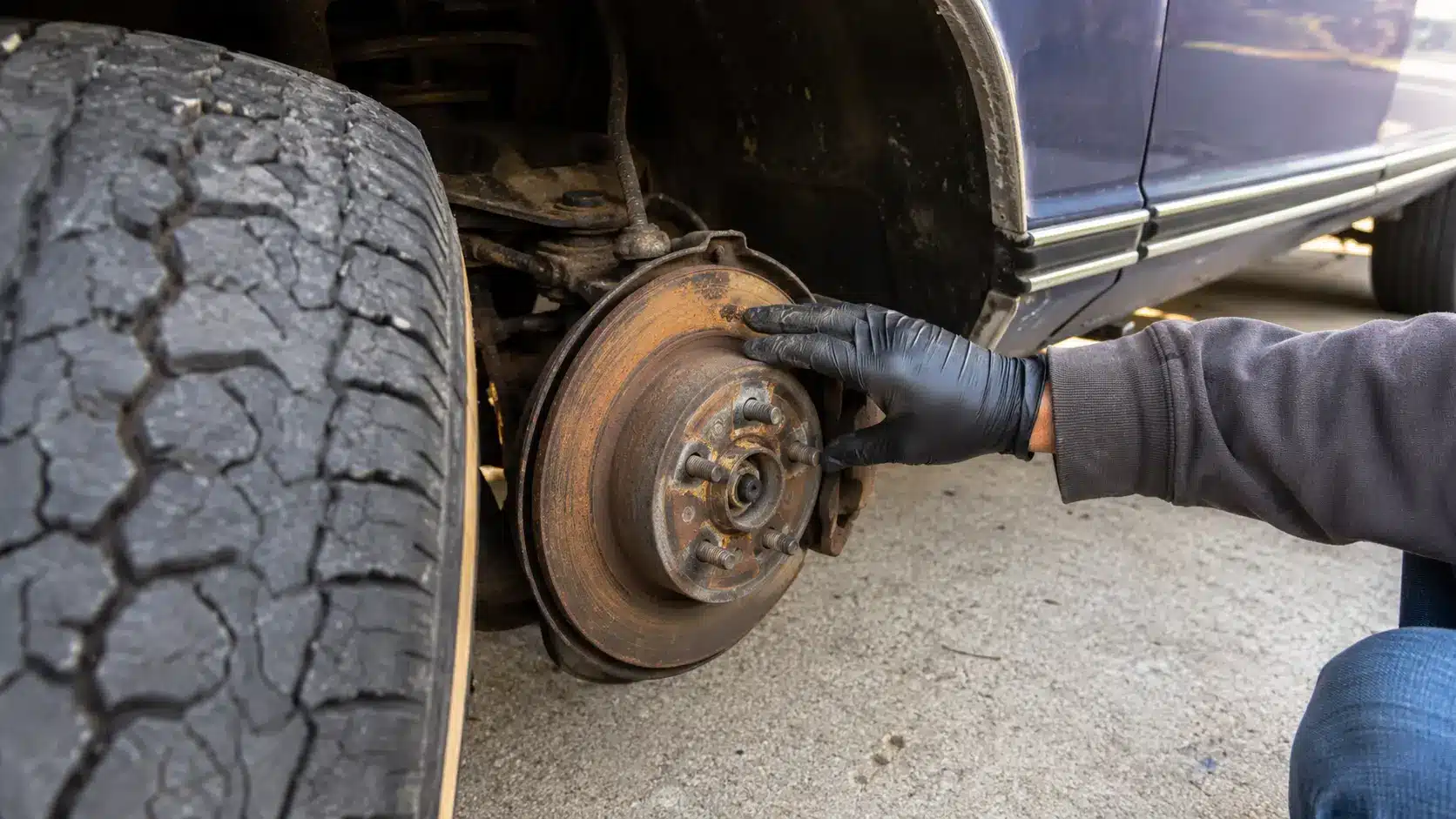
| Rust on brakes and metal components | Moisture buildup causes brake rotors, fuel lines, and other parts to rust, creating safety risks. | Inspect brakes for rust and seizing; plan for brake service or replacement. |
| Degraded fluids (oil, coolant, brake fluid, fuel) | Engine oil, brake fluid, coolant, and gasoline lose effectiveness over time and can damage components. | Change engine oil and filter even if mileage is low; flush and replace other fluids as needed. |
| Pest infestation and wire damage | Rodents may chew through wires and insulation; mold and mildew can develop from moisture. | Check under the hood and inside cabin for nests or damage; clean thoroughly. |
| Expired registration or lapsed insurance | Driving with expired plates or no coverage is illegal and risky. | Verify registration status and insurance; renew only if you plan to keep the car. |
Why a Car Parked for Years Should Not Be Driven Immediately
A car parked for years may look fine from the outside, but critical systems have likely degraded. The battery is probably dead because even when turned off, your car draws a small electrical current that drains the charge. Tires lose air pressure naturally and can develop flat spots from sitting in one position. Brake pads and rotors can rust or seize, especially in damp conditions, making the brakes unsafe. Engine oil, brake fluid, coolant, and other vital fluids degrade over time, reducing their ability to lubricate and protect engine parts. Starting the engine with old, thick oil or contaminated fuel can cause immediate damage. For these reasons, a proper inspection is necessary before even attempting to turn the key.
Common Problems with an Old Car Sitting in Driveway
An old car sitting in driveway is exposed to weather, pests, and time. Paint and clear coat fade from sunlight, weather stripping dries out and cracks, and moisture can lead to rust on exposed metal. Under the hood, rodent nests are not uncommon; mice and squirrels chew through wiring and insulation, leading to expensive electrical repairs. Fuel that has sat for a year or more can separate, causing varnish and gum that clog injectors and fuel lines. Rubber components like windshield wipers, engine belts, and hoses become brittle and crack from dry rot. Even the cabin air filter and engine air filter can become clogged with debris. If you have an abandoned old car on your property, these hidden issues can make restoration cost more than the car is worth.
Battery, Tires, Fluids, Rust, and Animal Damage
Every long term parked vehicle suffers in the same ways. The battery is almost certainly dead. Starting your car every one to two weeks and letting it run for 10 to 15 minutes can help prevent battery drain, but after years of sitting, the battery will need replacement. Tires will be underinflated and may have permanent flat spots; check the sidewalls for cracking. Brake fluid absorbs moisture, and that moisture causes internal rust in the brake system. Engine oil rapidly loses its cooling and lubrication properties when left dormant—sitting too long can be worse for oil composition than driving. Gasoline degrades, and if the tank was left empty, moisture can cause internal rust. Pests leave behind urine, droppings, and chewed wires. Before you decide to sell or repair, you need to budget for all of these repairs or accept that the car might be worth more as scrap.
How a Long Term Parked Vehicle Loses Resale Value
The value of a long term parked vehicle drops significantly the longer it sits. Oxidation damages the paint and clear coat. Interior fabric and leather can fade, crack, or develop mold from moisture. Weather stripping around doors and windows dries out, leading to water leaks. Unused cars often accumulate expired registration and missing insurance, which adds hassle and cost to getting them back on the road. Even if the car was in good condition before being parked, the cost of bringing it up to safety and cosmetic standards often exceeds what the car would sell for in running condition. That is why many owners choose to sell unused car rather than sink money into repairs.
Your Options: Repair, Sell, or Arrange Removal
After inspecting the vehicle, you have three main paths. If the car has sentimental value or is a rare model, you may decide to invest in professional restoration. That path involves towing it to a shop, replacing the battery, tires, fluids, belts, hoses, and brakes, and addressing any rodent damage or rust. For most people, the cost is prohibitive. The second option is to sell the car privately as a non-running project. That requires time, listing photos, and haggling with buyers who will want to tow it away. The third and simplest option is to contact a professional scrap car removal Coquitlam service. They handle free towing, provide instant cash, and recycle the vehicle responsibly. If the vehicle still has value as a source of parts, you may also consider cash for cars Coquitlam services, which offer payment on the spot and same-day pickup.
Frequently Asked Questions
Can a car that has been sitting for years be driven after a jumpstart?
No. A jumpstart may get the engine running, but the vehicle is not safe to drive. Brakes may be seized, tires can fail, old oil may not lubricate properly, and fuel could be contaminated. Always inspect and service the car thoroughly before driving it on public roads.
What is the best way to get rid of an unused car that does not run?
The easiest method is to arrange unused car removal with a licensed service that offers free towing and pays cash. This avoids the hassle of private sales and towing costs. Make sure the company is reputable and handles all paperwork for transfer of ownership.
How much does it cost to restore a car that has been sitting for years?
Costs vary widely based on the car’s condition, make, and model. Typical expenses include a new battery, tires, fluid changes, brake work, and possibly fuel system cleaning. Rust repair and pest damage can add thousands. It is often more economical to sell the car for scrap and use the cash toward a newer vehicle.
Is it safe to leave a car sitting in a driveway for many years?
Leaving a car in a driveway exposes it to weather, pests, and theft risks. Fluids can leak onto the pavement, tires deflate, and the vehicle becomes an eyesore. Many municipalities have bylaws against storing inoperable vehicles on private property, potentially leading to fines or towing.
Do I need to have a valid registration to sell my car for scrap?
Requirements vary by jurisdiction, but most scrap car buyers require the owner to provide proof of ownership, such as a signed title or bill of sale. Expired registration is usually acceptable as long as you can prove you are the legal owner. Check with the buyer beforehand.
Deciding what to do with a car sitting for years comes down to one honest calculation: compare the total cost of repair with the vehicle’s market value. If the repair bill exceeds what the car is worth, it makes sense to sell or remove it. Start by inspecting the car, gather your documents, and reach out to a trusted removal service to get a free quote. You will save yourself time, money, and the frustration of a project that never ends.